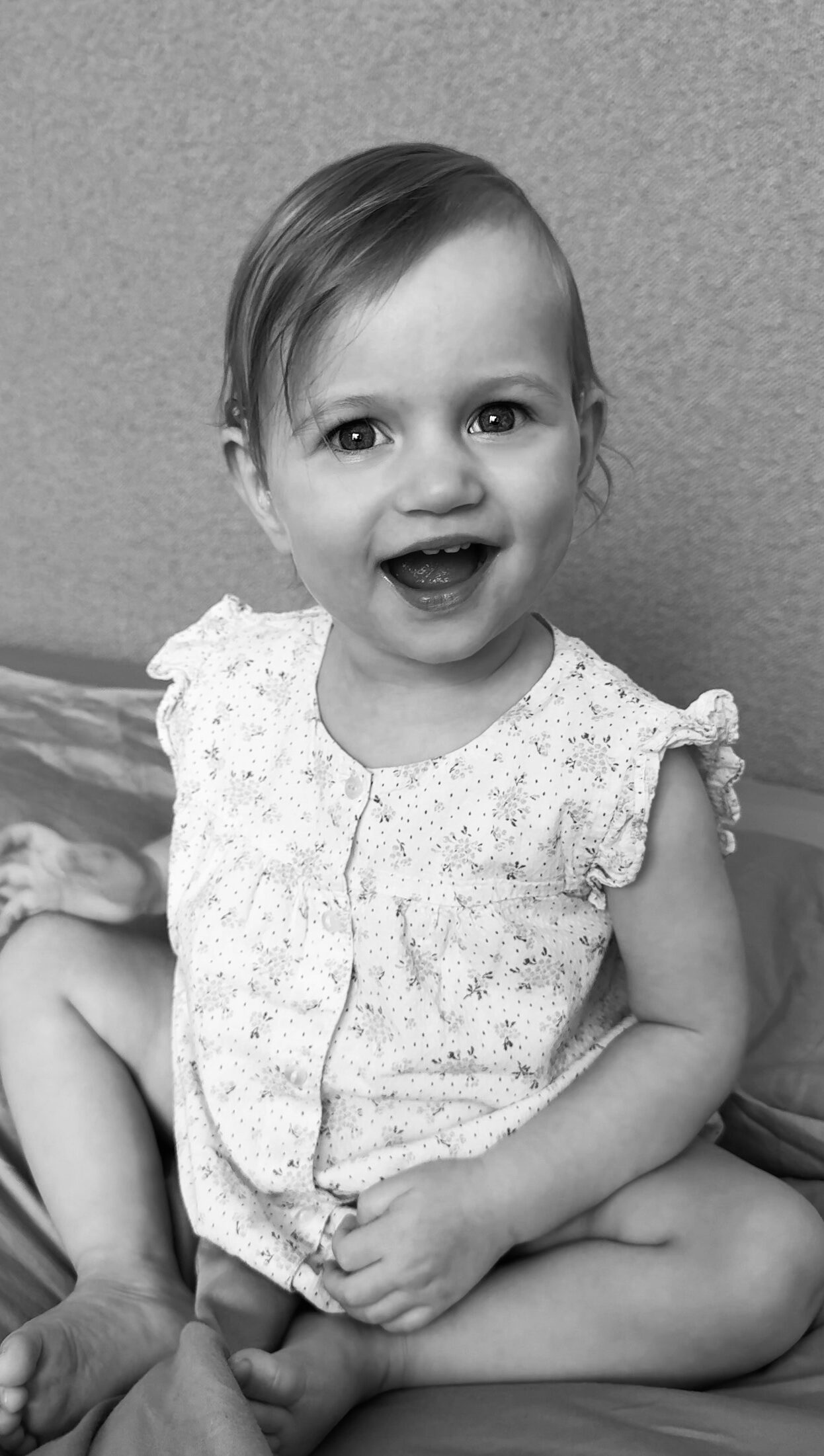
"We hope that every child affected by an ultra-rare condition will benefit from the scientific advances being made today, and that no family feels alone in facing a rare diagnosis."
Astrid is a little girl living in London with her family. At 10 months old, she was diagnosed with SPATA5-related disorder after months of medical investigations and genetic testing. Astrid experiences developmental challenges, sensorineural hearing loss and epilepsy, all of which are commonly associated with SPATA5. Since her diagnosis, her family has been navigating a world of therapies, specialist appointments and ongoing learning, while supporting her development and celebrating every milestone along the way. Now 20 months old, Astrid continues to approach the world with curiosity, determination and joy. Her journey has connected her family with an extraordinary international community of families, clinicians and researchers united by a common goal: improving the future for children affected by SPATA5, SPATA5L1 and related disorders.
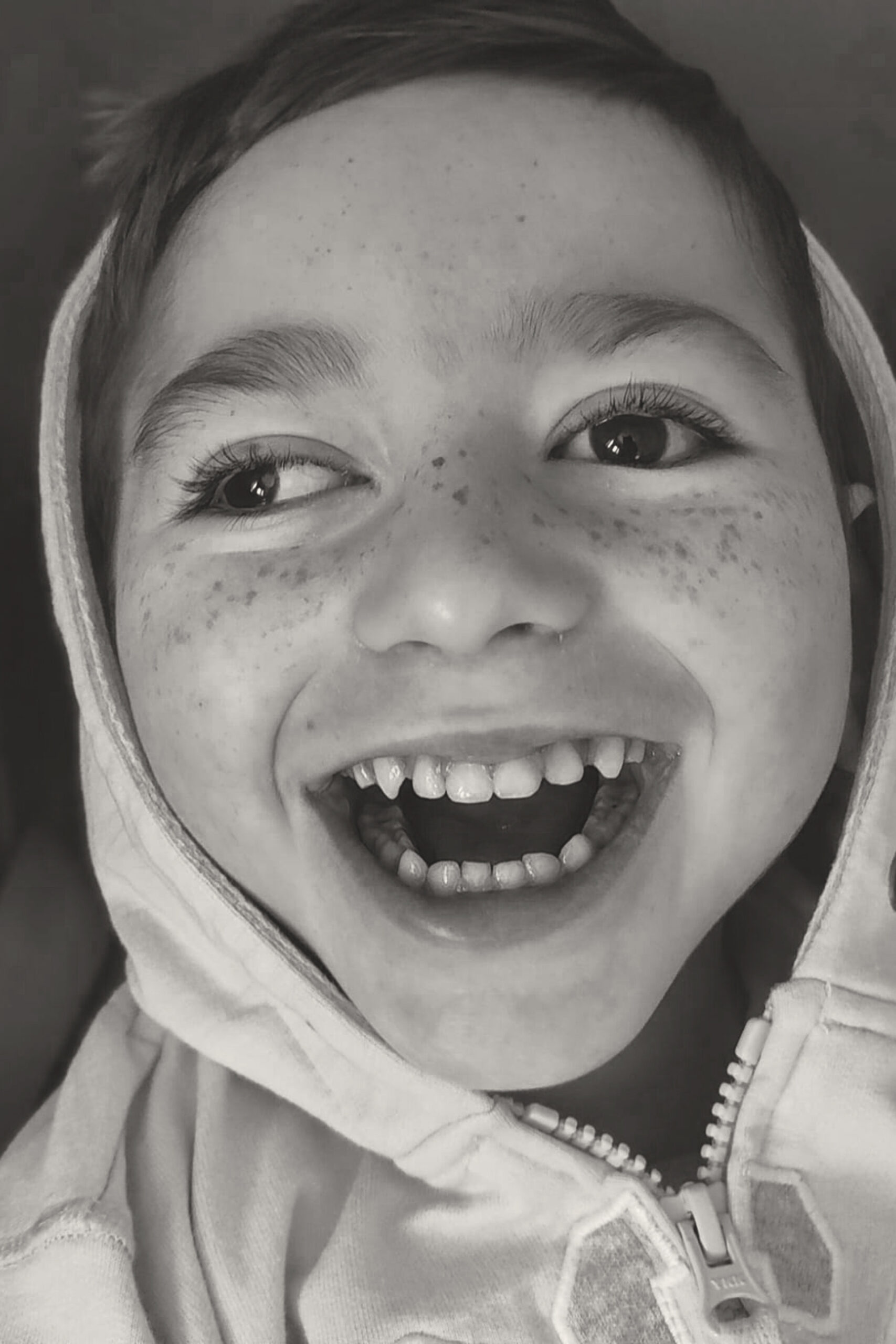
"Our hope is that through research, collaboration and the strength of our community, every child with SPATA5 will have the opportunity to reach their full potential."
Álvaro was born in Seville, Spain, and from an early age his family realised his development was not following the expected path. After a long search for answers, he was diagnosed with SPATA5-related disorder. Like many children affected by this condition, Álvaro experiences developmental, neurological, hearing and visual challenges, requiring ongoing therapies and specialist care. Yet those who know him best describe him by his joyful smile, resilience and determination. Away from therapies and hospital appointments, Álvaro enjoys the simple joys of childhood, including being at the centre of one of Seville's greatest debates: whether he'll grow up supporting Real Betis or Sevilla FC. His diagnosis became the driving force behind a much larger mission. Determined that no family should face the same journey alone, Álvaro's parents joined forces with other families across Spain to establish ASPATA5 the Spanish Association for Families Affected by SPATA5. Since then, they have raised awareness of the condition and become passionate advocates for research and scientific collaboration.
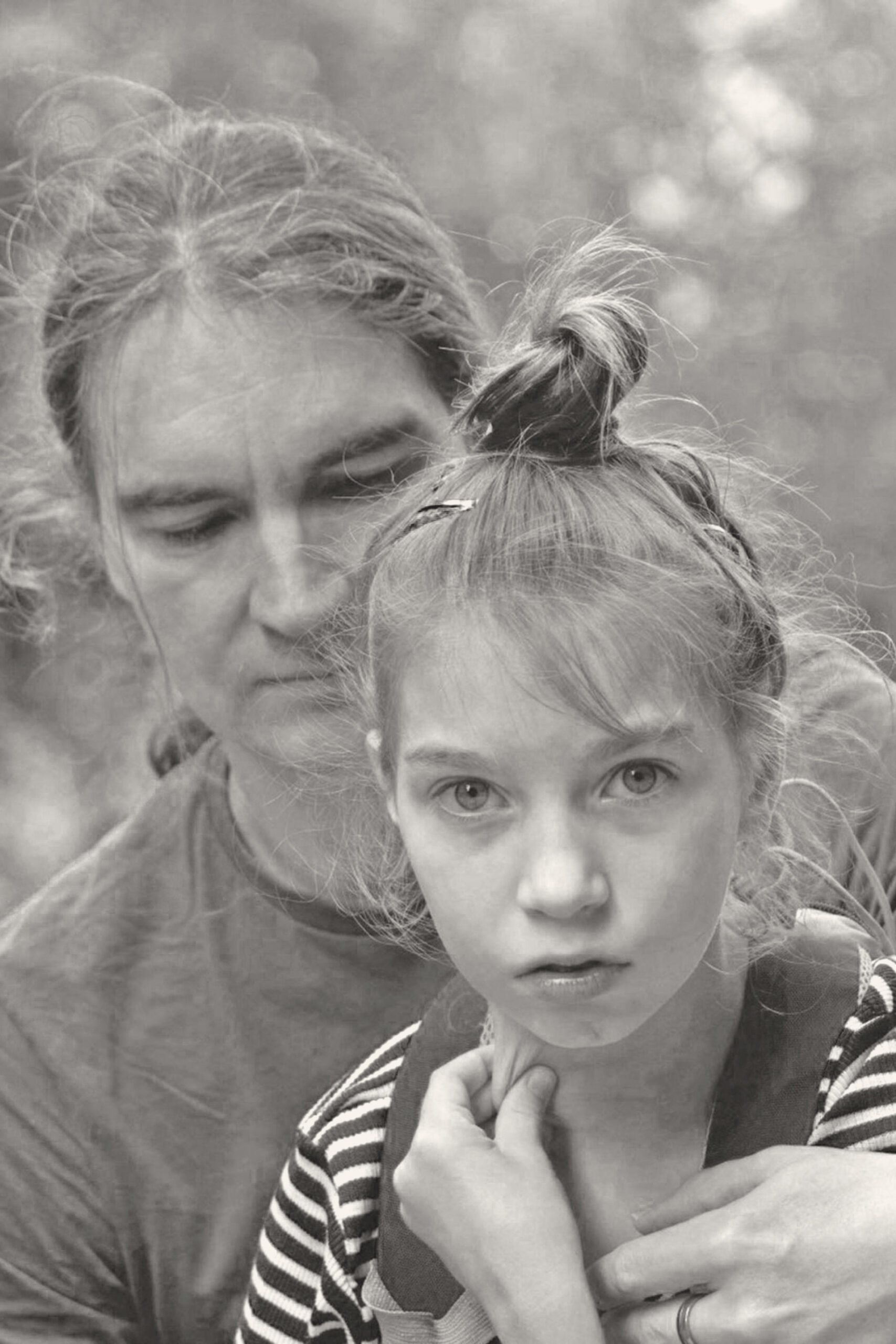
"Together with other Czech families, they also established the patient association SPATA5 CZ to support families and accelerate research".
Julie lives in the Czech Republic with her family. During her first months of life, she developed normally, but at around eight months old her development suddenly stopped. She stopped sleeping, cried day and night, and experienced severe abdominal pain. At the age of two, she was diagnosed with epilepsy after experiencing almost continuous epileptic seizures, alongside moderate hearing loss. Although her family searched for answers for many years, it was not until Julie was nine years old that genetic testing finally identified the cause of her condition: SPATA5-related disorder. Today, Julie is fourteen years old. She is unable to speak or understand spoken language, but she continues to bring joy to those around her with her beautiful smile and gentle spirit. Determined to change the future for Julie and other children, her father, Jan, helped initiate a pioneering a SPATA5 research programme in collaboration with scientists at the Czech Centre for Phenogenomics and the Institute of Molecular Genetics of the Czech Academy of Sciences.
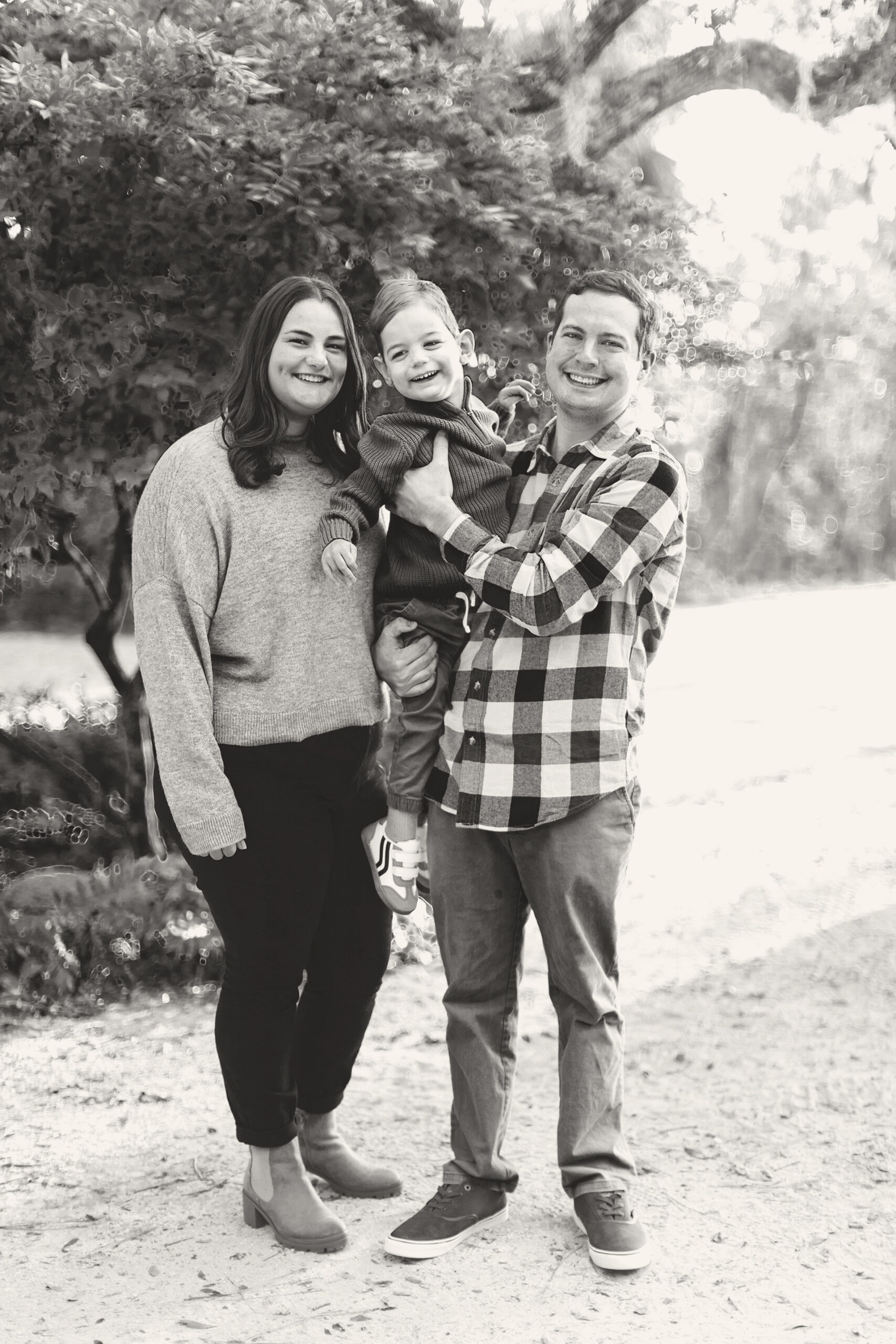
"Luca is the reason we fight, the reason we hope, and the reason we won’t stop."
Luca was born full of light — a beautiful, happy baby who quickly became the centre of our world. But as the months passed, we began to notice things weren’t quite right. Milestones were missed, development slowed, and questions turned into a long and exhausting search for answers. Like so many rare disease families, we entered a world of uncertainty, appointments, and waiting. Eventually, we received a diagnosis: two mutations in his SPATA5L1 genes. In that moment, everything changed. We were faced with something we had never heard of, with little information available, no clear treatment path, and no established community to lean on. It was overwhelming, isolating, and heartbreaking. We quickly realized that if we wanted a different future for Luca and others like him, we couldn’t wait for someone else to build it. There was a critical need for research, for awareness, for connection between families, and for hope. That’s why we started The SPATA Foundation . What began as a deeply personal journey has grown into a mission to bring families together, accelerate research, and create real progress toward treatments. Every initiative, every connection, and every step forward is driven by Luca — and by the belief that these children deserve more.